logo

Burr Issues in Steel Coil Slitting Lines: How Rotary Shear Blades Improve Edge Quality

March 7, 2022

Dernières nouvelles de l'entreprise Burr Issues in Steel Coil Slitting Lines: How Rotary Shear Blades Improve Edge Quality

In steel coil processing, burr formation during slitting operations is a common challenge that can affect product quality and downstream manufacturing processes. Whether the material is used in automotive components, appliance panels, or precision metal strips, slit edge quality plays a critical role in ensuring stable forming, stamping, and coating operations.

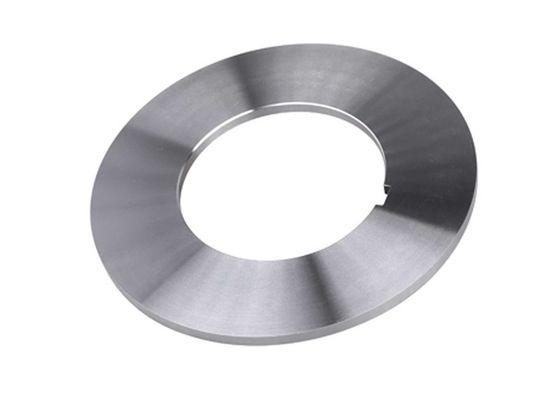
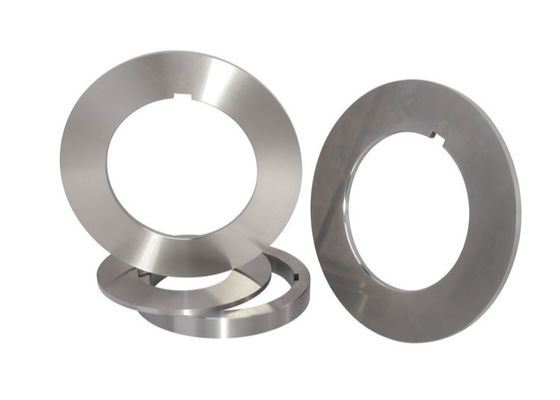
In modern metal slitting lines, rotary shear blades are essential components that determine cutting stability and edge consistency. Proper blade material selection, manufacturing precision, and tooling configuration can significantly reduce burr formation during slitting.


Common Causes of Burr Formation in Slitting Lines

Burr formation in metal slitting is typically caused by several factors combined. Understanding these factors can help manufacturers optimize blade selection and slitting line setup.

Insufficient Blade Precision

Blade thickness tolerance and diameter accuracy directly affect slitting stability. If blade thickness varies beyond acceptable limits, the following issues may occur:

For precision slitting operations, blade thickness tolerance is typically controlled within ±0.001 mm to ±0.003 mm.

Blade Material Wear

High-speed slitting lines process materials such as steel strip, stainless steel, or aluminum coils, which place continuous stress on the cutting edge.

If the blade material lacks sufficient hardness or wear resistance, problems such as:

may appear during extended operation.

Industrial slitting blades are commonly manufactured from forged alloy tool steel or high-speed steel (HSS) to provide a balance between hardness and toughness.

Improper Tooling Arrangement

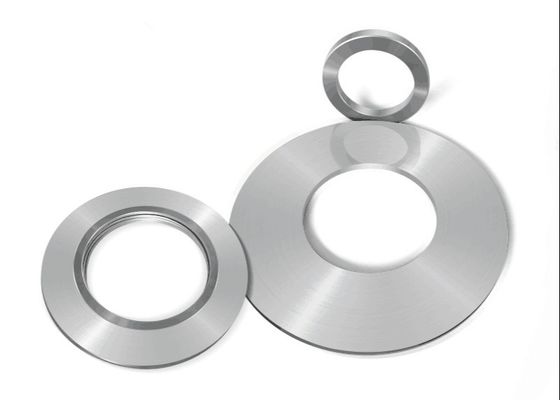
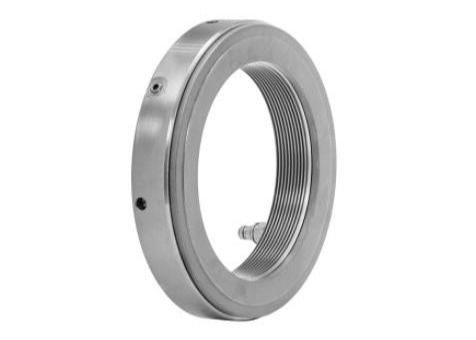
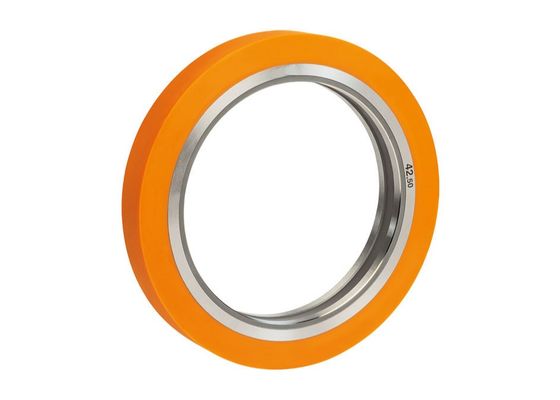
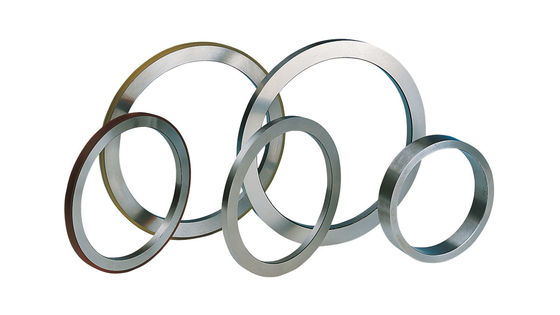
In rotary shear slitting systems, blades work together with spacers and stripper rings. Improper component arrangement can lead to:


The Role of Rotary Shear Blades in Precision Slitting

As metal processing moves toward narrow strip production and higher precision requirements, the manufacturing quality of rotary shear blades becomes increasingly important.

Precision Manufacturing

Typical industrial rotary shear blades feature:

Such precision helps maintain stable cutting clearance during continuous slitting operations.

Durable Blade Materials

Blades made from forged alloy tool steel or high-speed steel maintain edge stability under high-speed cutting conditions. In addition, many industrial blades can be maintained through re-grinding, extending their operational lifespan.

Coordinated Tooling Systems

A typical metal slitting setup includes:

Proper coordination of these components helps maintain stable strip guidance and cutting pressure during the slitting process.

Prenez contact avec nous
Personne à contacter : Mr. Bob Zhang - Export-Sales Manager
Téléphone : 8615026682114
Télécopieur : 86-0510-83632182
Caractères restants(20/3000)